


New ideas need to be translated into tangible results. Those who do this in the most innovative and visionary way receive an award for their outstanding achievements. The Texprocess Innovation Award – for unconventional ideas and visionary technologies for processing textiles and flexible materials. Some winners quietly refer to it as the ‘Oscar’.
Award-winning visionary technologies
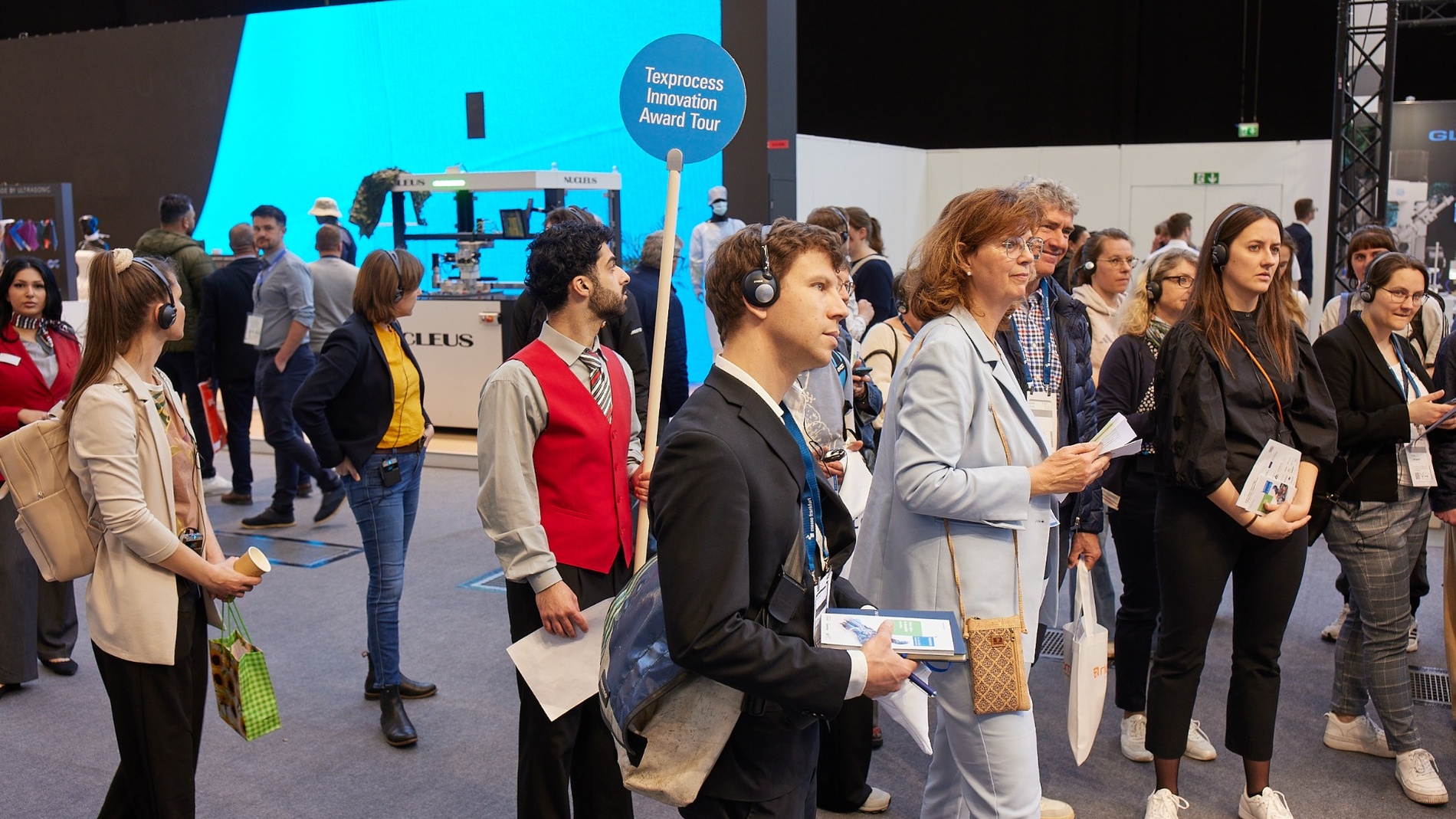
Our renowned jury of experts selected the best innovations in four categories – from digitalisation and AI to innovations for improving quality. During Texprocess you could take advantage of our jury's expertise, discover the best innovations – and find new solutions for efficient textile processing.
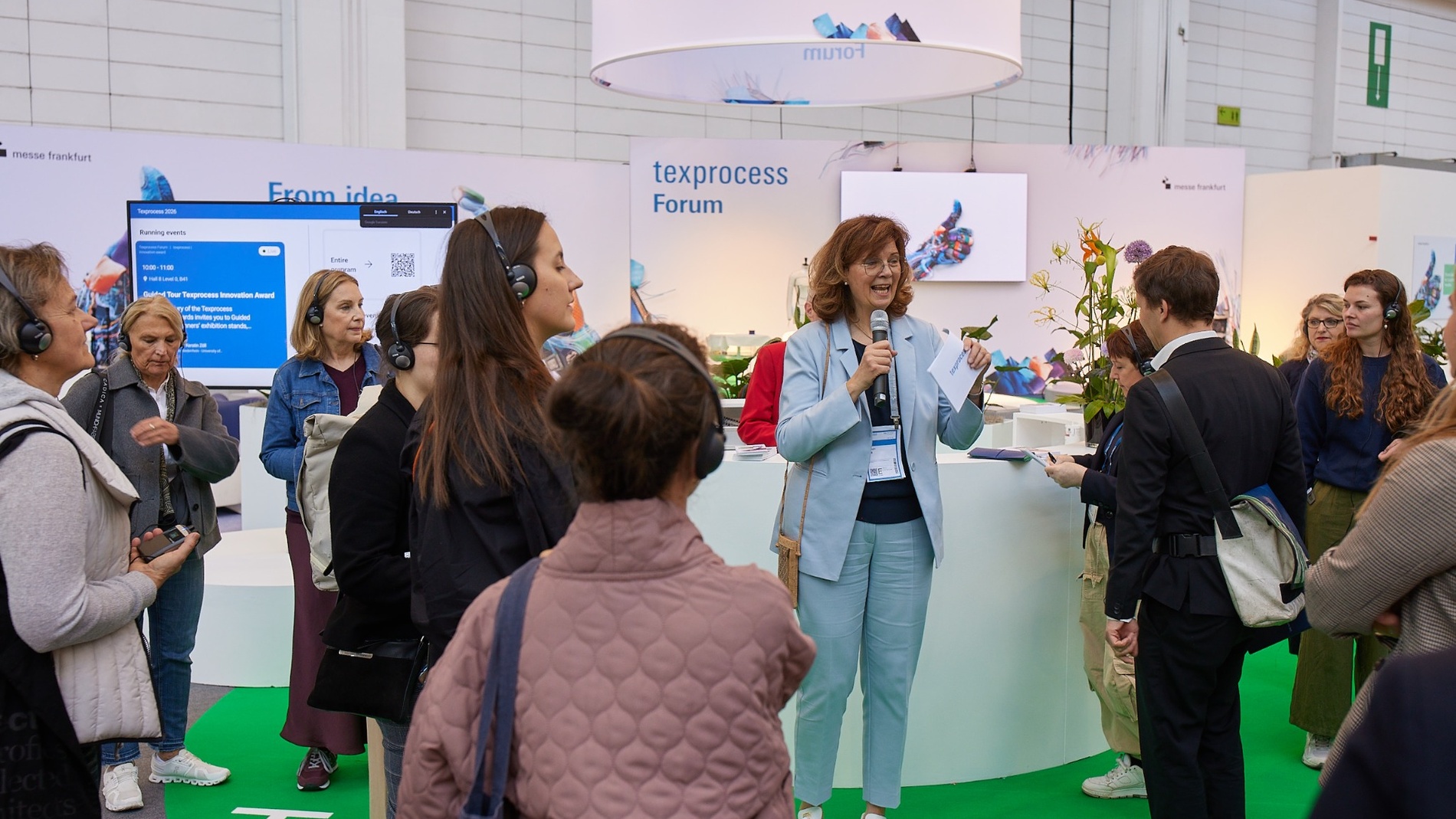
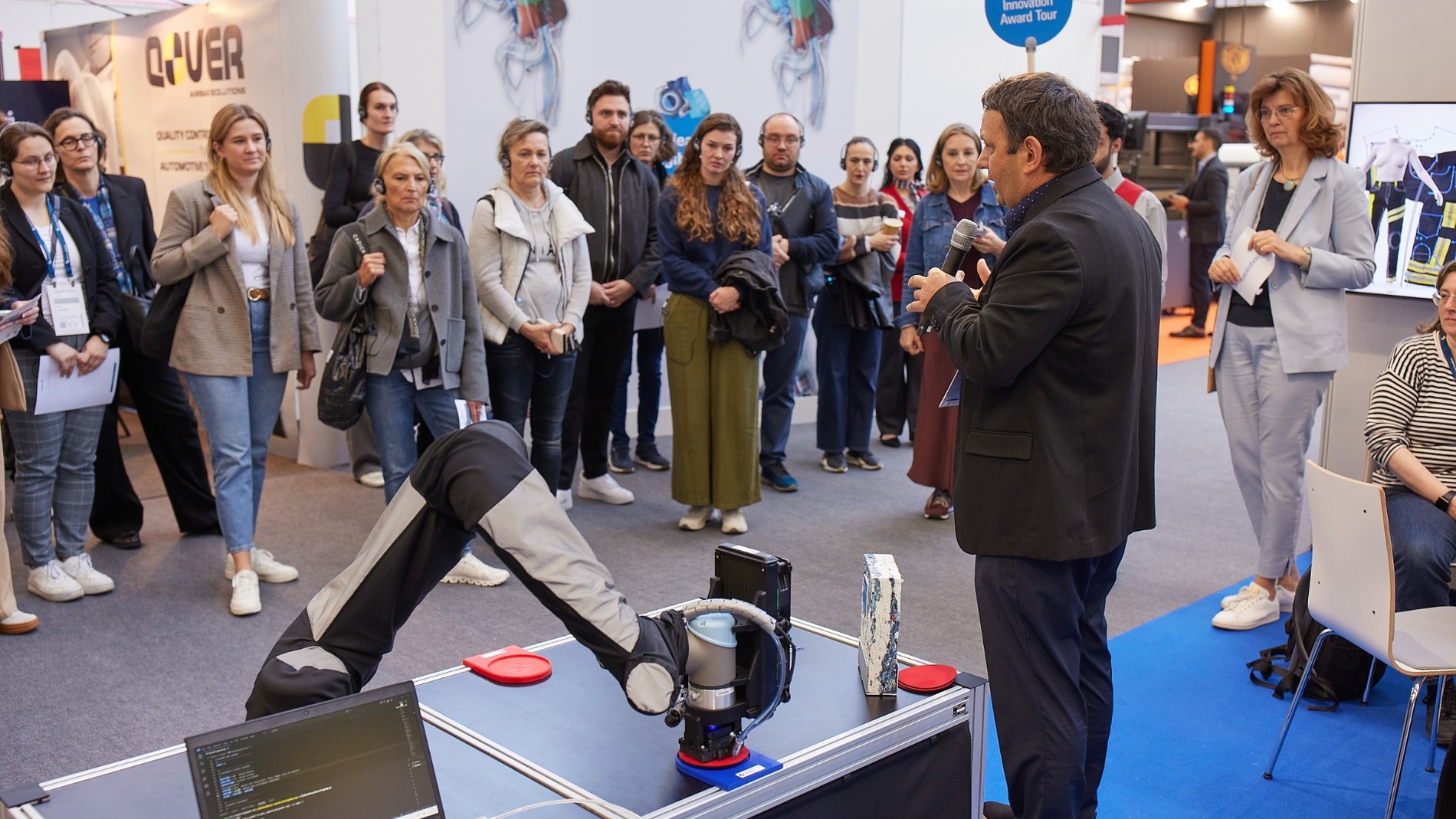
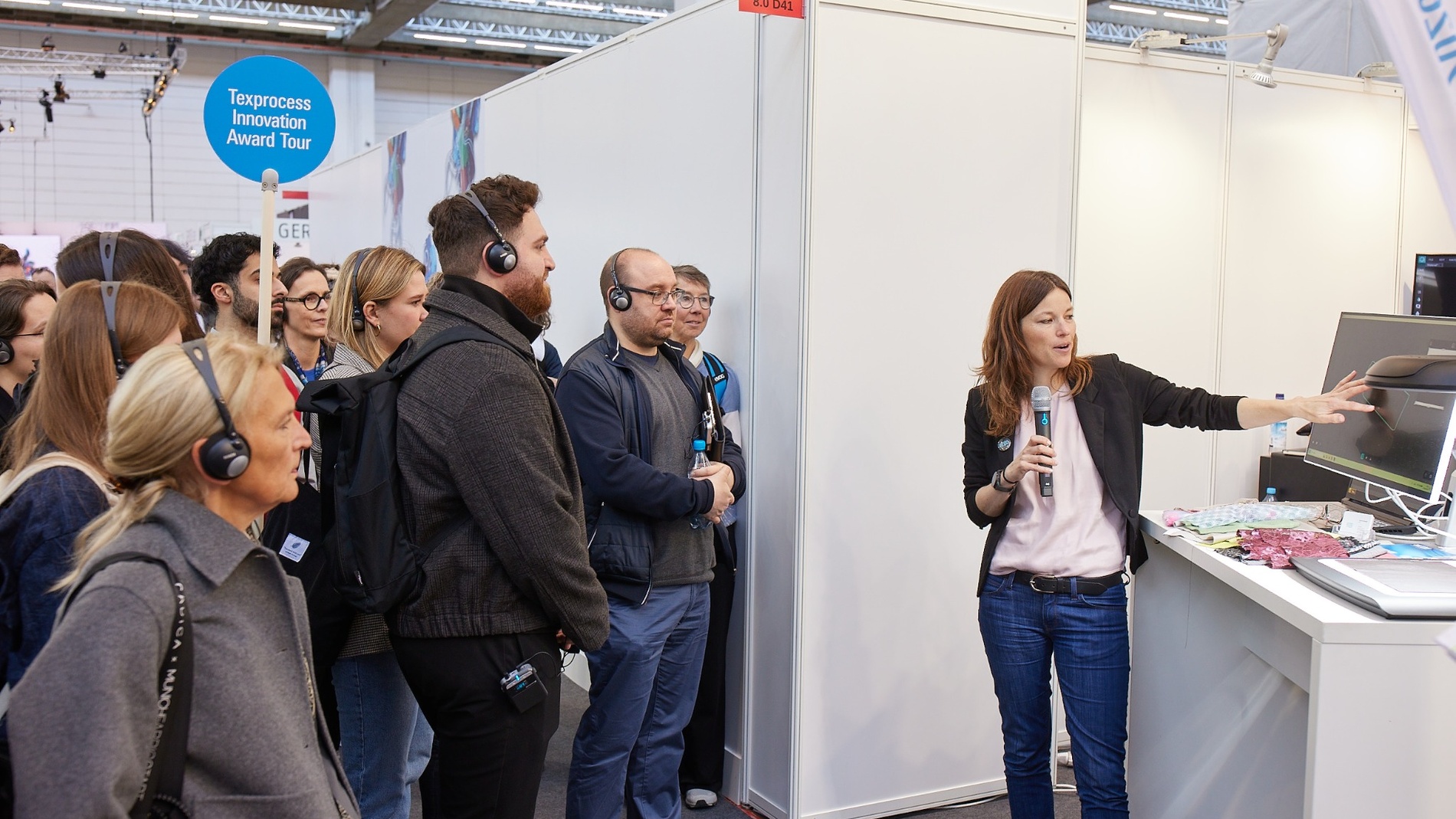
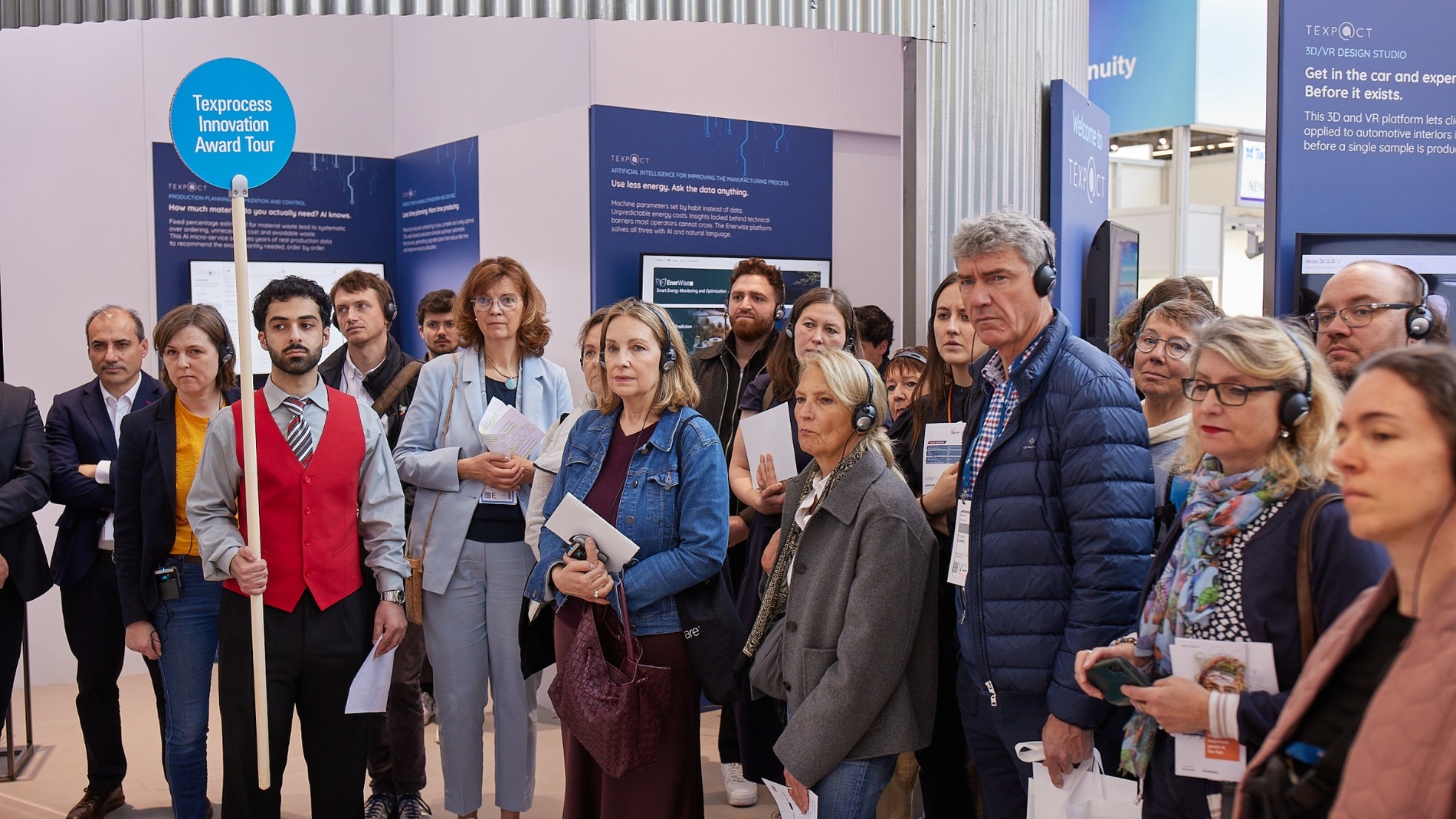
Winners Texprocess Innovation Award 2026
Automated singulation: flow gripper for the ‘supreme discipline’
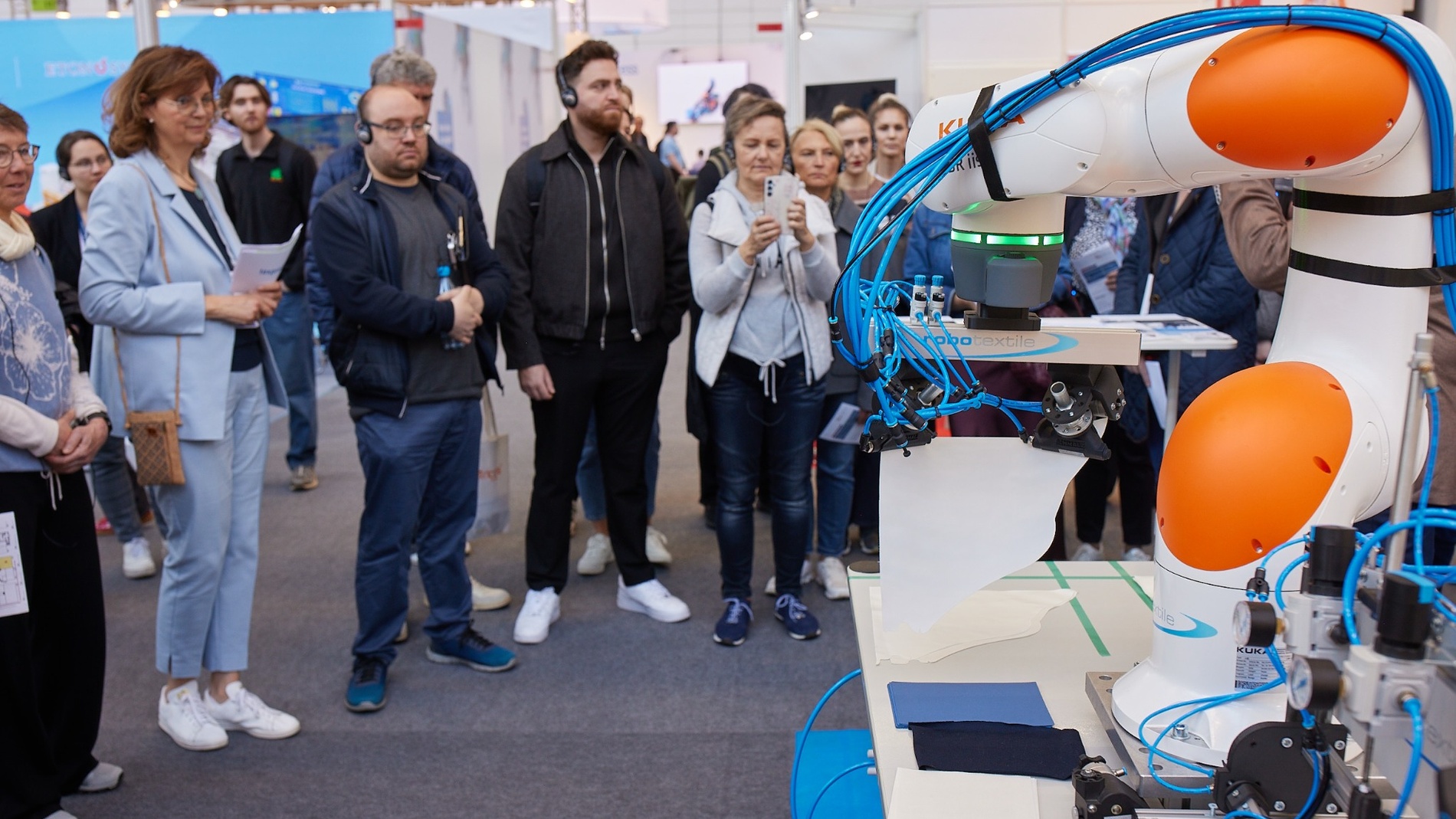
While the automotive and semiconductor industries have long operated with fully automated production, automation in the textile industry often stops at the multi-layer stack: cut fabric layers – for example for jeans, car seat covers or airbags – are stacked and then manually separated for subsequent steps such as sewing, printing, pressing or laminating. This seemingly simple task of de-stacking is a real challenge for robots: Because textiles are not rigid but flexible, deformable and air-permeable, conventional robotic systems cannot grip them reliably. For a flow gripper that automatically separates fabric layers from a stack, the German company Robotextile receives a Texprocess Innovation Award 2026 in the “Economic Quality (cost minimisation, time and process optimisation, automation)” category. The retrofittable gripper uses air flows to autonomously pick up textiles such as knitted fabrics, non-wovens or woven fabrics and place them in the desired position for further processing. “Moving a piece of fabric automatically from A to B is nothing special,” says Michael Müller, Co-Managing Director of Robotextile. “But reliable automatic singulation is the ultimate challenge.” According to Müller, it is primarily nearshoring, labour shortages and declining robot prices that are driving automation in the textile industry. Robotextile’s automation technology has already been proven in practice: C&A used it to assemble jean pockets. The outdoor brand Vaude, as well as companies in the footwear, medical technology and airbag manufacturing sectors, are also among its users. Combined with a now patented roller mechanism, the gripper is unveiled for the first time at Texprocess.
Freeze gripping of textiles using ice and AI
There are various methods for the automated gripping of textiles, including vacuum, needle and clamping grippers. However, mechanical and pneumatic methods can reach their limits, as they can deform or even damage textiles. The Technical University of Applied Sciences Wildau therefore takes a different approach: freezing. TH Wildau receives a Texprocess Innovation Award 2026 for the “CryoTec” freezing gripper in the category “Economic Quality (cost minimisation, time and process optimisation, automation)”. The system makes use of the adhesive properties of ice: A small amount of water is sprayed onto the fabric, freezes slightly and enables the gripper to adhere evenly to create a full-surface, reversible adhesion. Jörg Reiff-Stephan, Professor of Automation Engineering at TH Wildau and Head of the Institute for Cyber-Physical Production Systems, explains it clearly: “If you touch the wall of a freezer compartment in a fridge, your hand sticks briefly – our gripper ‘sticks’ to the fabric in the same way, based on the same physical principle.” According to Reiff-Stephan, the technology is not fundamentally new. “For the first time, however, CryoTec focuses specifically on the textile material it is gripping.” In addition, the gripper uses an AI-supported control system developed in collaboration with the Institute of Textile Machinery and High Performance Material Technology (ITM) at Dresden University of Technology, as well as the companies IFQ and Automation Uhr. The AI evaluates spray volume, freezing time, temperature profiles and environmental conditions, and automatically adjusts the parameters. CryoTec is set to be rolled out in pilot plants in the near future and could be used in the production of trousers, car seats or panel filters. CryoTec is presented for the first time worldwide as an intelligent gripper at Texprocess 2026.
Fabric inspection: When AI learns to ‘read’ textiles
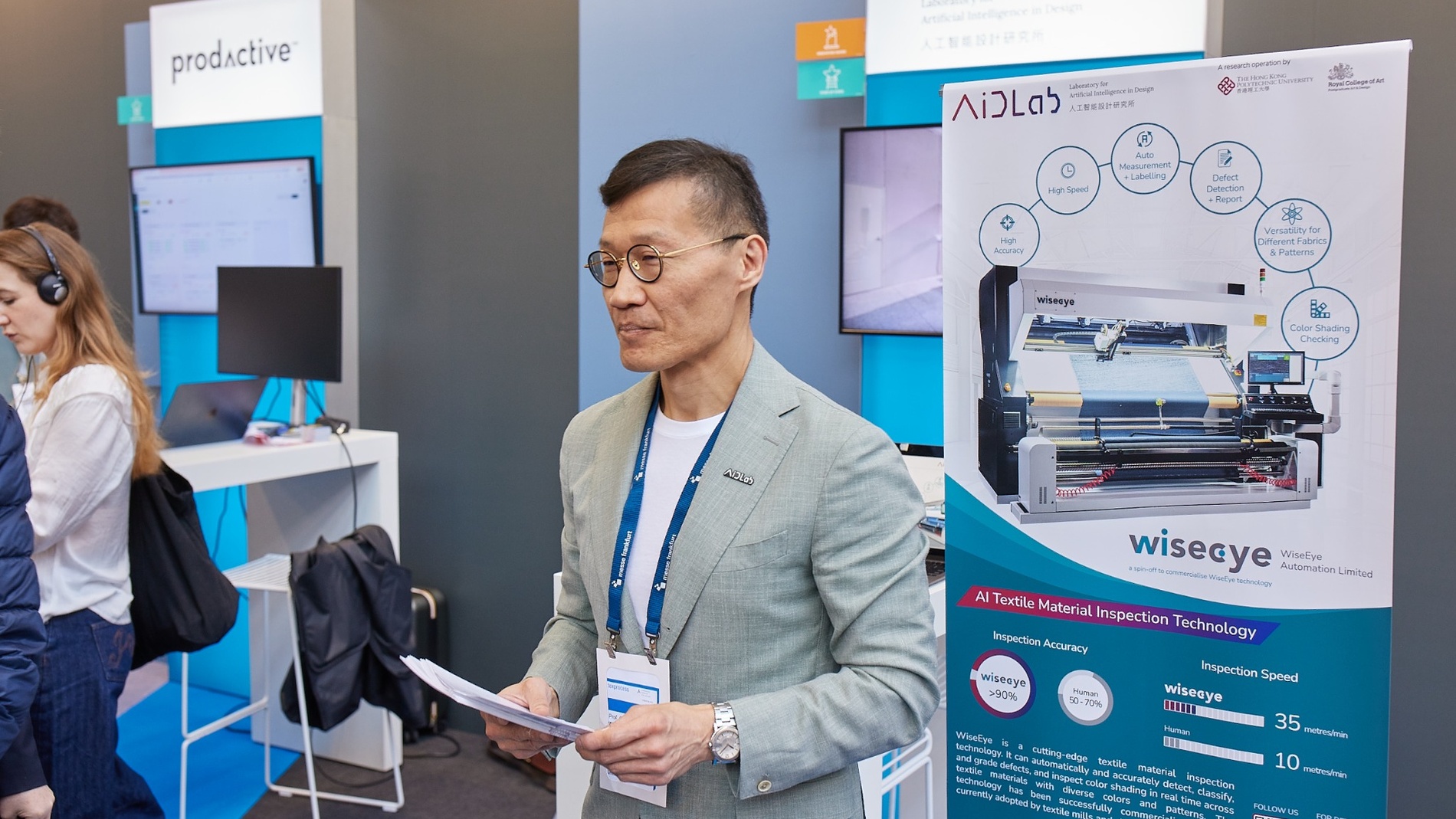
Visual inspection of textiles is a crucial step in quality management to identify material defects, colour deviations, soiling or structural faults. The Laboratory for Artificial Intelligence in Design (AiDLab) in Hong Kong demonstrates that AI can fundamentally transform the largely manual visual inspection carried out to date. The research laboratory receives the Texprocess Innovation Award 2026 in the category “Innovation for quality improvement” for its AI-powered inspection technology “WiseEye”. The solution uses integrated cameras and self-learning AI. It detects and assesses faults in various textile materials in real time. According to AiDLab, WiseEye achieves an accuracy of around 90 per cent at an inspection speed of 35 metres of fabric per minute. This makes it more accurate than manual visual inspection, which, according to AiDLab, achieves an accuracy of only around 50 to 70 per cent at a speed of around 10 metres per minute. Textile factories in China, Vietnam and Europe are already using WiseEye to inspect woven and knitted fabrics. The solution is also used in apparel production, for example for shirts, trousers, or underwear. Calvin Wong is Centre Director of AiDLab, professor of fashion and, according to a report by Stanford University, one of the world’s most cited researchers (top 1 per cent) in the field of AI and image processing. He explains: “Many textile companies believe that AI can immediately automate the manual inspection of fabrics. However, the introduction of AI in fabric inspection is not a one-off implementation – it is, at the very least, a medium-term learning process for the AI models.” At Texprocess 2026, AiDLab presents the latest version of WiseEye to the European public for the first time.
Monomaterial design thanks to cellulose sewing thread
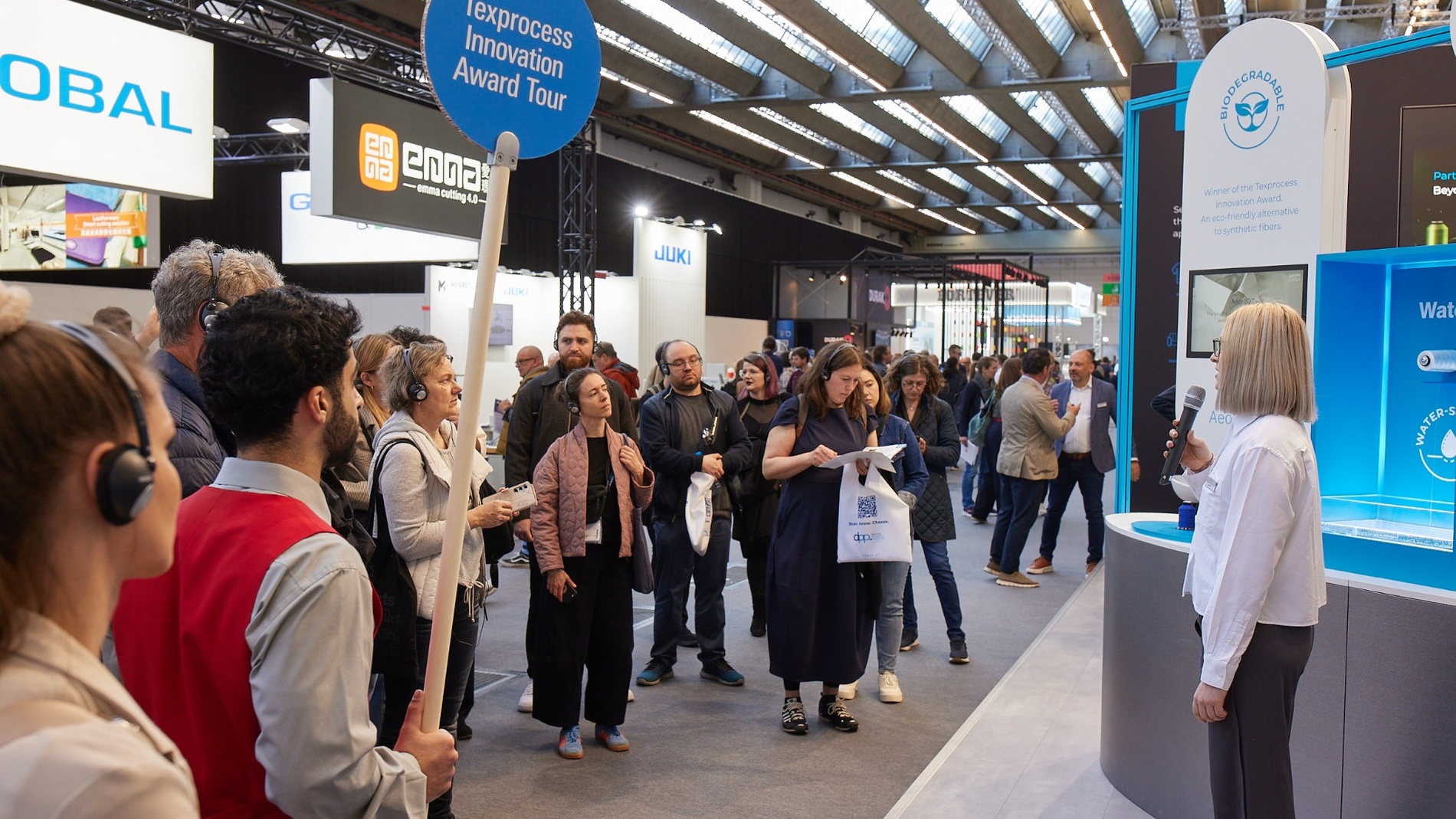
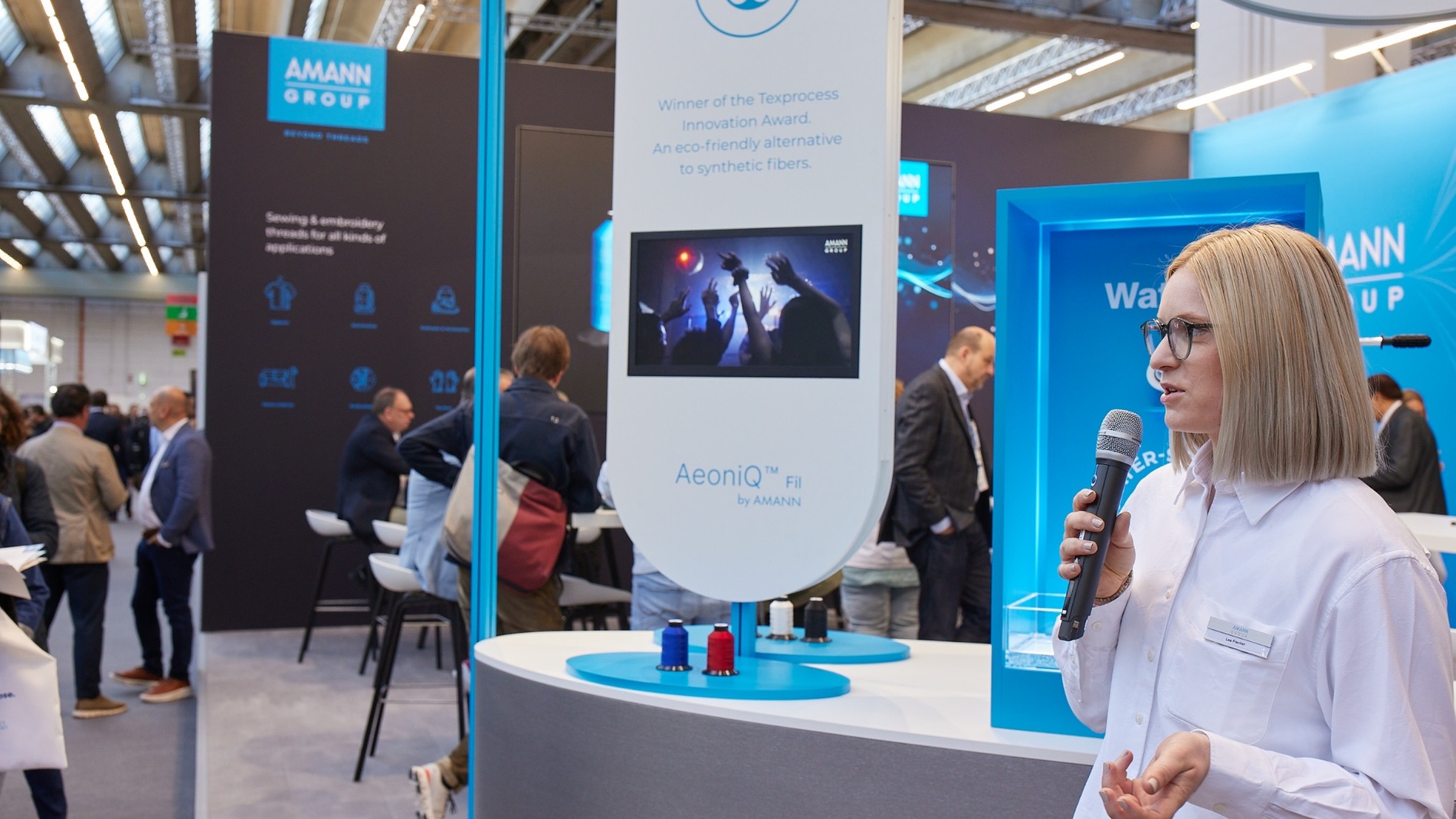
Even when textile products are made from biodegradable materials, there is a major drawback to their recyclability: Their seams are often made of synthetic fibres such as polyester or polyamide, which prevents them from being mono-material. New eco-design requirements, the Digital Product Passport and extended producer responsibility are further increasing the pressure to design textiles to be fully recyclable. To fill this gap, the thread manufacturer Amann has developed a biodegradable sewing and embroidery thread. For this achievement, the German company is awarded the Texprocess Innovation Award 2026 in the “Ecological Quality (climate protection, energy efficiency, sustainability, recycling, circularity)” category. The new yarn, called “AeoniQ Fil”, is the world’s first sewing and embroidery thread made from the wood pulp-based fibre “AeoniQ”. It is a microplastic-free and biodegradable material made from cellulose, which comes close to synthetic fibres in terms of tear resistance and elasticity. With this innovative yarn, Amann aims to make monomaterial designs for clothing and home textiles viable: “Homogeneous materials right down to the seam are a crucial step towards true circularity,” says Lea Fischer, Product Manager at Amann. “This simplifies recycling processes and end-of-life options.” According to Amann, the new sewing and embroidery thread is about twice as elastic as conventional cellulose-based threads. This results in stronger seams. AeoniQ Fil makes its official market debut at Texprocess.
Digitising the sample book: fabrics meet 3D and AI
In the apparel industry, sampling and fabric sourcing are key links between design development and mass production. At the same time, they are cost-intensive, time-consuming and generate significant CO2 emissions due to the global shipment of samples. In addition, there is a fundamental visualisation problem: It is difficult to reliably predict how fabrics will look on a finished product based on samples alone. To digitalise and make fabric sourcing more resource-efficient, the German technology company Vizoo has developed the product design tool “CAST”. For this, it receives a Texprocess Innovation Award 2026 in the “Digitalisation + AI” category. CAST combines a camera-light setup with 3D technology and AI. According to Vizoo, it is the first application to combine the digital fabric communication, their simulation on products and an easy-to-use interface: “Simply start the app, select a product, place the fabric on the scanning surface – and the material is projected onto the product,” explains Renate Eder, Managing Director of Vizoo, which describes itself as the global market leader in the digitalisation of fabrics. Integrated AI also generates photorealistic product images in seconds as an alternative to photo shoots. “Our aim is to enable digital material decisions across continents and significantly reduce the resources required for fabric samples that are physically shipped around the world,” says Eder. At Texprocess, visitors can experience CAST first-hand.
AI for automated T-shirt production
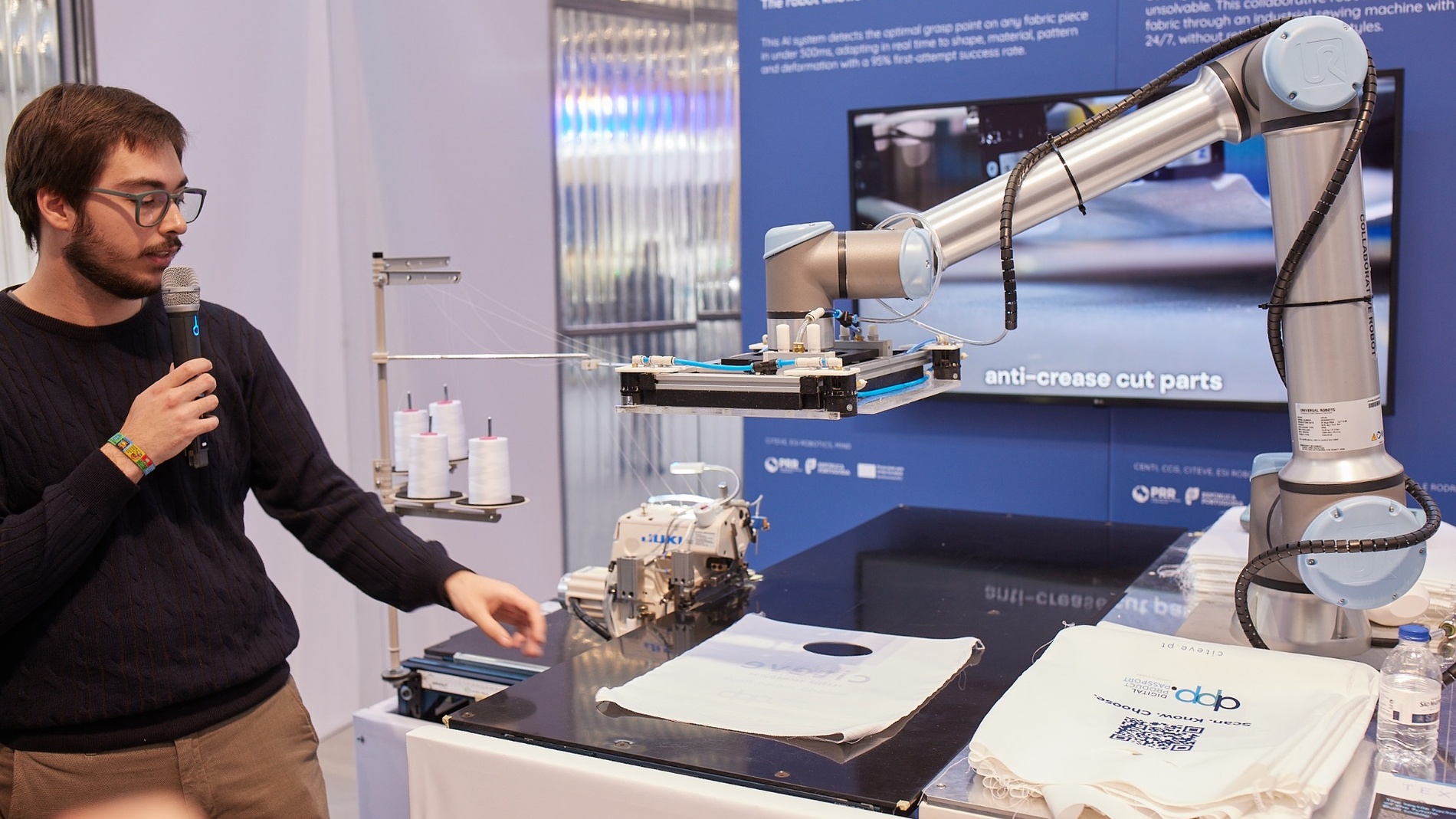
With an estimated two billion units produced each year, the T-shirt is one of the most widely manufactured garments in the world – and is still made almost entirely by hand. Against the backdrop of a shortage of skilled labour, requirements for digital traceability and the trend towards relocating production back to Europe, the textile industry is increasingly facing the question: can T-shirts be manufactured automatically in the future? The Portuguese technology centre CITEVE provides an answer with its robot-controlled T-shirt production cell. It combines AI-based gripping with automated sewing. For this, the institute receives a Texprocess Innovation Award 2026 in the “Digitalisation + AI” category. According to CITEVE, the key innovation is AI-powered grip point detection (computer vision pipeline). It identifies fabric pieces directly on the cutting table in real time and calculates the optimal grasp points based on shape, size and material. “Reliably grasping flexible fabric pieces is one of the most challenging unsolved problems in textile robotics,” explains Nelson Rodrigues, robotics team lead at CITEVE. “Our system tackles this problem head-on: if the fabric is gripped at the point calculated by the AI, it retains its shape.” To facilitate integration into existing production processes, CITEVE relies on conventional sewing machines upgraded with advanced technology. First pilot cells in the testing environment are achieving a cycle time of just under 35 seconds per T-shirt. A validation phase with knitwear manufacturers is planned. The project, coordinated by CITEVE, is jointly implemented with the research institutions CeNTI, CCG/ZGDV and INESC TEC, as well as the technology companies ESI Robotics and Mind. At Texprocess, they demonstrate the solution using the example of AI-assisted sewing of tote bags.
Expert jury: Excellent work deserves outstanding judges
Claudia van Bonn, Editor-in-chief,
dfv media group, Textile Technology, Germany
Jürgen Brecht, Director Procurement,
HAUBER-GRUPPE FERD. HAUBER GMBH, Germany
Dr.-Ing. Thomas Fischer, Head of Center of Management Research,
German Institutes for Textile and Fibre Research Denkendort (DITF), Germany
Prof. Dr. Thomas Gries, Chair of Textile Engineering,
RWTH Aachen University, Institute for Textile Technology, Germany
Prof. Dr.-Ing. habil. Yordan Kyosev, Head of the Chair of Assembly Technology for Textile Products,
Institute of Textile Machinery and High Performance Material Technology, TUD Dresden University of Technology, Germany
Walter Wählt, Size & Fit Mastery / FashionTech Advisory
Germany
Prof. Dr.-Ing. Kerstin Zöll, Clothing Manufacturing Technology, Head of Sewing and Manufacturing Lab
Hochschule Niederrhein University of Applied Sciences, Department of Textile- and Clothing Technology, Germany
The Categories
- Economic quality (cost minimisation, time and process optimisation, automation)
- Ecological quality (climate protection, energy efficiency, sustainability, recycling, circularity)
- Digitalisation + AI
- Innovation for quality improvement